 Admin
AdminTable of Contents
ToggleMeat Processing Jobs in Europe for Foreign Workers
Introduction
Europe’s food supply chain depends heavily on a stable workforce, and in recent years, meat processing jobs in Europe for foreign workers have become one of the most accessible entry points into the European labor market. Due to aging populations, declining interest in manual labor among local workers, and increasing demand for processed meat products, many European countries are actively recruiting foreign workers to fill critical gaps in slaughterhouses, processing plants, and packaging facilities. This has created real opportunities for job seekers willing to relocate and work in structured industrial environments.
For many foreign applicants, especially from developing regions, these roles offer more than just employment—they provide a pathway to international work experience, stable income, and in some cases, long-term residency opportunities. Employers across countries like Germany, the Netherlands, Poland, and Denmark are increasingly offering visa sponsorship packages, accommodation support, and training programs to attract reliable workers. Unlike highly skilled professions, most meat processing roles do not require advanced degrees, making them highly accessible. Livestock Farm Jobs in Sweden with Free visa
This guide explores everything you need to know about meat processing jobs in Europe for foreign workers—from job types and salaries to visa processes and application strategies. Whether you’re looking for entry-level work abroad or a stepping stone into the European job market, this article provides practical, actionable insights to help you get started.
Are Meat Processing Jobs in Europe Available for Foreign Workers?
Yes—meat processing jobs in Europe for foreign workers are widely available, and demand continues to grow. The European meat industry is one of the largest food sectors, employing millions of workers across slaughtering, cutting, packaging, and distribution operations. However, many local workers avoid these roles due to their physically demanding nature and work conditions, leading to persistent labor shortages.
Countries like Germany, Poland, Ireland, the Netherlands, and Denmark rely heavily on foreign labor to keep their meat processing industries running efficiently. Employers often partner with international recruitment agencies to source workers from Africa, Asia, and Eastern Europe. In many cases, companies are willing to sponsor work visas because the demand for labor exceeds local supply. Fruit Picker Jobs in Switzerland with Visa Sponsorship
Additionally, government policies in several European nations have been adjusted to make it easier for foreign workers to enter sectors experiencing shortages. While regulations vary by country, many employers assist with documentation, contracts, and relocation logistics. This makes it significantly easier for qualified and physically capable applicants to secure employment.
In short, the availability is real—but competition is also increasing. Applicants who understand the process and prepare properly stand a much better chance of getting hired.
Why Work in Europe as a Meet Processer?
One of the biggest advantages of meat processing jobs in Europe for foreign workers is accessibility. Unlike highly specialized careers, these roles typically do not require university degrees or extensive professional experience. This makes them ideal for individuals looking to enter the European workforce quickly.
Another key benefit is job stability. The food production industry is essential, meaning demand remains consistent regardless of economic fluctuations. Meat processing plants operate year-round, ensuring steady work and income for employees. Many companies also offer long-term contracts, which can lead to extended stays or even permanent residency options in some countries. Factory Worker Jobs in Canada with Visa Sponsorship
Financially, these jobs can be attractive. While wages vary by country, workers often earn significantly more than they would in their home countries. In addition to base salaries, many employers provide overtime pay, bonuses, and subsidized accommodation, helping workers save more money.
There is also the opportunity for career growth. Workers who start in entry-level roles can progress to supervisory positions, machine operation roles, or specialized tasks like quality control. For those willing to learn and adapt, meat processing jobs can serve as a stepping stone to broader opportunities within Europe’s industrial sector.
Entry-Level Meat Processing Jobs in Europe with Visa Sponsorship
Entry-level roles form the backbone of meat processing jobs in Europe for foreign workers, and they are often the easiest positions to secure with visa sponsorship. These roles require minimal qualifications, focusing instead on physical ability, reliability, and willingness to work in structured environments.
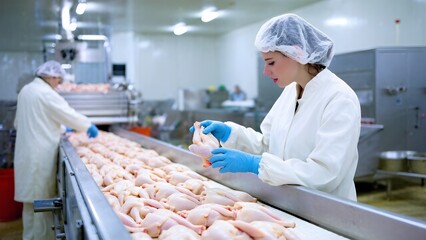
Most entry-level jobs include tasks such as cutting, trimming, deboning, cleaning, sorting, and packaging meat products. Workers are usually trained on-site, meaning prior experience is not always necessary. This is a major advantage for first-time international job seekers. Delivery Driver Jobs in Canada for Foreigners with Visa
Visa sponsorship is commonly offered by large processing companies or through recruitment agencies working on behalf of employers. Once a job offer is secured, the employer typically assists with work permit applications, employment contracts, and sometimes even travel arrangements. In countries like Germany and Poland, the process is relatively streamlined for industries facing labor shortages.
Another pathway into these jobs is through temporary or seasonal work programs, which can later transition into long-term contracts based on performance. Many workers start on short-term agreements and extend their stay after proving reliability and work ethic.
Overall, entry-level meat processing jobs provide a realistic and achievable route into Europe, especially for individuals who are prepared, disciplined, and ready to work.
Types of Meat Processing Jobs in Europe for Foreign Workers
There are several roles available within the meat processing industry, each with specific responsibilities. Understanding these roles helps applicants choose positions that match their abilities.
Slaughterhouse Workers
These workers handle the initial stages of meat production, including animal handling and processing. The job requires strict adherence to safety and hygiene standards.
Meat Cutters and Butchers
Responsible for cutting, trimming, and preparing meat products according to specifications. This role may require some training but offers better pay over time.
Packaging Workers
These workers sort, label, and package meat products for distribution. It is one of the most common entry-level roles and requires minimal experience.
Machine Operators
Operate industrial equipment used in meat processing. Some technical understanding is helpful, but training is usually provided.
Quality Control Staff
Ensure that products meet health and safety standards. This role involves inspection and compliance checks. How to Get a Job in Dubai with Visa Sponsorship
Warehouse and Logistics Staff
Handle storage, inventory, and transportation of meat products within and outside the facility.
Each of these roles plays a critical part in the supply chain, and many employers are actively hiring foreign workers across all categories.
Top Meat Processing Companies in Europe Hiring Foreign Workers
Several large companies dominate the European meat processing industry and frequently recruit foreign workers due to ongoing labor shortages.
Tönnies Group (Germany)
One of Europe’s largest meat processing companies, known for hiring international workers for various roles in production and packaging.
Vion Food Group (Netherlands)
Operates across multiple European countries and regularly recruits foreign workers for entry-level and skilled roles.
Danish Crown (Denmark)
A major player in the global meat industry, offering structured employment programs and competitive wages.
ABP Food Group (Ireland)
Provides opportunities in processing plants across Ireland and the UK, often with relocation support.
Animex Foods (Poland)
A leading employer in Eastern Europe, frequently hiring foreign workers due to high demand.
These companies typically work with recruitment agencies, making it easier for foreign applicants to connect with available opportunities.
Benefits of Meat Processing Jobs in Europe for Foreign Workers
Working in meat processing jobs in Europe for foreign workers comes with several practical benefits:
Visa Sponsorship
Many employers handle the legal process, reducing the burden on applicants.
Stable Income
Regular working hours and consistent pay provide financial security.
Accommodation Support
Some companies offer free or subsidized housing.
Overtime Opportunities
Extra hours can significantly increase earnings.
Skill Development
Workers gain experience in industrial operations and food safety standards.
International Exposure
Living and working in Europe opens doors to broader opportunities. Nursing Jobs in the UK with Visa Sponsorship for Foreigners
These benefits make the sector particularly attractive for individuals seeking both income and international experience.
Challenges of Meat Processing Jobs in Europe for Foreign Workers
Despite the benefits, there are challenges that applicants should be aware of:
Physically Demanding Work
Jobs often require long hours standing, lifting, and repetitive tasks.
Cold Working Conditions
Processing plants are usually kept at low temperatures to preserve meat quality.
Strict Hygiene Standards
Workers must follow detailed safety and sanitation procedures.
Language Barriers
Communication can be difficult in countries where English is not widely spoken.
Work Pressure
High production targets can make the work environment intense.
Understanding these challenges helps applicants prepare mentally and physically before applying.
Top European Countries with the Highest Salaries for Meat Processing Jobs
Some countries offer better pay and working conditions than others:
Germany
High demand and strong labor laws make it one of the best-paying options.
Netherlands
Offers competitive wages and good working conditions.
Denmark
Known for higher salaries and strong worker protections.
Ireland
Provides good pay and opportunities for long-term employment.
Poland
Lower wages compared to Western Europe but easier entry and more job availability.
Choosing the right country can significantly impact earnings and overall experience.
Average Salary of Meat Processing Workers in Europe (By Country)
Salaries vary depending on location, experience, and role:
-
Germany: €1,800 – €2,800 per month
-
Netherlands: €1,700 – €2,500 per month
-
Denmark: €2,500 – €3,500 per month
-
Ireland: €2,000 – €3,000 per month
-
Poland: €1,000 – €1,800 per month
Entry-level workers typically start on the lower end but can increase earnings through overtime and experience.
Application Requirements and Required Documents for Meat Processing Jobs
Foreign workers need to prepare the following to apply successfully:
-
Valid Passport: Must be current for the duration of employment and visa validity.
-
Updated CV/Resume: Include work experience, skills, and any relevant certifications.
-
Work Permit / Visa Documents: Employer sponsorship is often required; documents vary by country.
-
Medical Fitness Certificate: Shows capability for physically demanding work; may include vaccinations. How to Get Nursing Jobs in USA with Visa Sponsorship
-
Police Clearance / Background Check: Some employers require proof of good conduct.
-
Language Skills (if applicable): Basic knowledge of the country’s working language can help in safety and communication.
Preparing these documents in advance reduces delays and demonstrates professionalism to employers.
Eligibility to Apply for Meat Processing Jobs in Europe for Foreign Workers
Eligibility criteria vary slightly by country but generally include:
-
Minimum Age: Typically 18 years and above.
-
Physical Fitness: Ability to handle long hours, lifting, and cold environments.
-
Basic Education: High school or equivalent is usually sufficient.
-
Work Experience: Not always required, though prior factory or manual labor experience is an advantage.
-
Willingness to Relocate: Workers must be ready to move to the country of employment.
-
Legal Status: Must meet visa requirements for employment in the EU country.
Meeting these requirements ensures you qualify for sponsored employment programs.
Step-by-Step Guide to Apply for Meat Processing Jobs in Europe with Visa Sponsorship
-
Identify Target Countries: Research demand, salaries, and visa policies.
-
Search for Jobs: Use official company websites, EU job portals, and trusted recruitment agencies. Food Packaging Jobs in Europe With Visa Sponsorship
-
Prepare Documents: Gather passport, CV, medical certificates, and references.
-
Submit Applications: Apply online or through recruitment agencies; tailor CV for each role.
-
Interview / Assessment: May include physical assessments, safety briefings, or language tests.
-
Job Offer: Receive formal employment contract.
-
Visa Application: Employer may sponsor work visa; submit all required documentation to consulate.
-
Travel and Orientation: Relocate and complete on-site training and induction programs.
Following these steps increases the chance of a smooth application and onboarding process.
Tips to Improve Your Chances
-
Apply Early: Many positions fill quickly, especially seasonal roles.
-
Use Trusted Agencies: Partner with recruitment agencies familiar with visa sponsorship.
-
Highlight Relevant Skills: Emphasize physical stamina, reliability, and teamwork.
-
Be Flexible: Consider different roles, shifts, and locations.
-
Stay Informed: Research local labor laws, work conditions, and pay scales.
-
Prepare for Interviews: Be ready to discuss experience, availability, and willingness to relocate.
Application Deadlines
-
Year-Round Hiring: Many European factories hire continuously due to high demand.
-
Peak Recruitment Seasons: Some countries have seasonal surges before holidays or meat-processing peaks.
-
Visa Processing Times: Allow 1–3 months for application review and approval; submit documents early. Warehouse Jobs in Switzerland with Visa Sponsorship
Common Mistakes to Avoid When Applying
-
Incomplete Documentation: Missing passports, CVs, or medical certificates delays applications.
-
Applying to Unverified Jobs: Use official portals and reputable agencies only.
-
Ignoring Visa Rules: Ensure eligibility and comply with country-specific requirements.
-
Poor CV Presentation: Clearly format experience and skills relevant to meat processing.
-
Underestimating Physical Demands: Be honest about fitness and ability to handle work conditions.
Avoiding these mistakes improves your chances of successful placement.
Work Permit and Visa Process for Meat Processing Jobs in Europe
-
Receive Job Offer: Employer provides formal contract.
-
Employer Sponsorship: Employer submits documentation to authorities supporting your visa application.
-
Visa Application: Submit passport, contract, medical certificates, and police clearance to consulate.
-
Approval and Travel: Once approved, worker travels to the country and begins orientation.
-
Registration: Upon arrival, register with local authorities, obtain tax ID, and complete onboarding. Visa Sponsorship Jobs in Sweden
Each country has slightly different procedures, but most European nations streamline work visas for industries facing labor shortages.
Websites to Find Meat Processing Jobs in Europe for Foreign Workers
-
EURES (European Employment Services): https://ec.europa.eu/eures
-
Indeed EU: https://www.indeed.com/worldwide
-
Glassdoor EU: https://www.glassdoor.com
-
Company Career Pages: Tönnies, Vion Food Group, Danish Crown, ABP Food Group
-
Local Recruitment Agencies: Especially in Germany, Poland, Denmark, and the Netherlands
Use verified platforms to avoid scams and ensure visa sponsorship support.
FAQs about Meat Processing Jobs in Europe for Foreign Workers
Q1: Do I need prior experience?
Most entry-level roles do not require experience; on-site training is provided.
Q2: Are visas guaranteed?
Visa sponsorship depends on employer and eligibility; submitting complete documents increases approval chances.
Q3: What is the average pay?
Ranges from €1,000–€3,500 per month depending on country, role, and experience. Unskilled Jobs with Visa Sponsorship in the UK for Foreigners
Q4: Are accommodations provided?
Some companies provide free or subsidized housing, particularly in Germany and Denmark.
Q5: Can this lead to permanent residency?
Yes, long-term contracts and compliance with local laws can open pathways to residency in certain countries.
Conclusion: Building a Career in Meat Processing Jobs in Europe for Foreign Workers
Meat processing jobs in Europe for foreign workers offer realistic, well-paid, and structured employment opportunities. For applicants willing to work hard and relocate, these roles provide not only income but also international experience, skill development, and potential pathways to long-term residency.
By understanding job types, salary expectations, visa processes, and hiring cycles, foreign workers can approach applications confidently and strategically. With preparation, flexibility, and awareness of legal requirements, entering Europe’s meat processing sector is achievable and rewarding.


 Admin
Admin